
How to Choose a Window Cleaning Lift for Commercial Buildings
Cleaning windows on a commercial building isn't always as simple as reaching them with a ladder or extension pole. Some windows are several levels above the ground, while others sit behind landscaping, above entrances, or inside tall building lobbies. For window cleaning companies, getting workers into the right position is an important part of planning the job.
Choosing a window cleaning lift involves more than finding a machine that reaches high enough. You also need to consider how far the basket can extend, where the equipment will be positioned, and how much weight it needs to carry. CTE North America's TRACCESS tracked aerial lifts offer several options for these situations. Understanding the differences between models can help you find equipment that fits the buildings your crew works on.
What Is a Window Cleaning Lift, and How Does It Work?
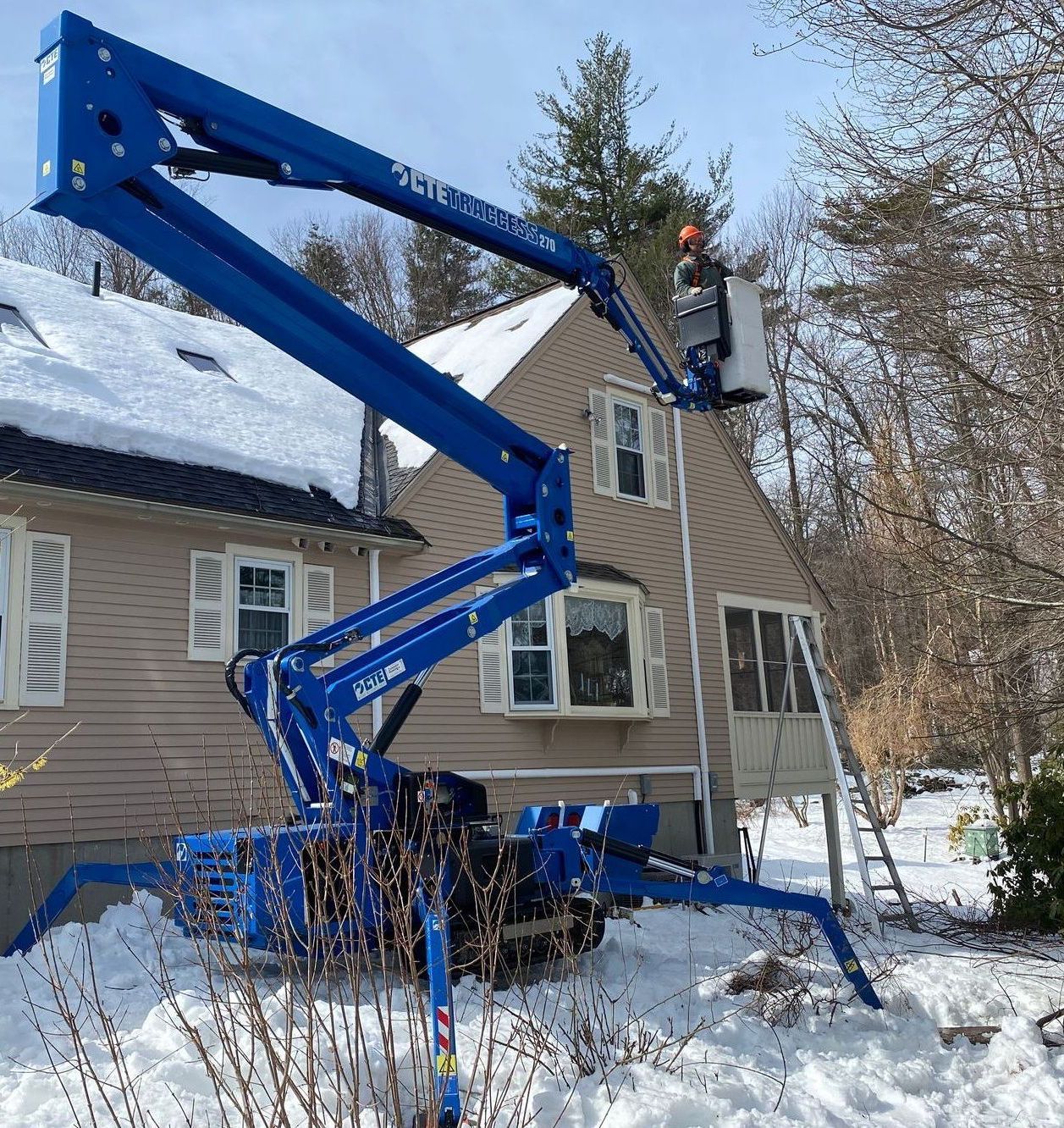
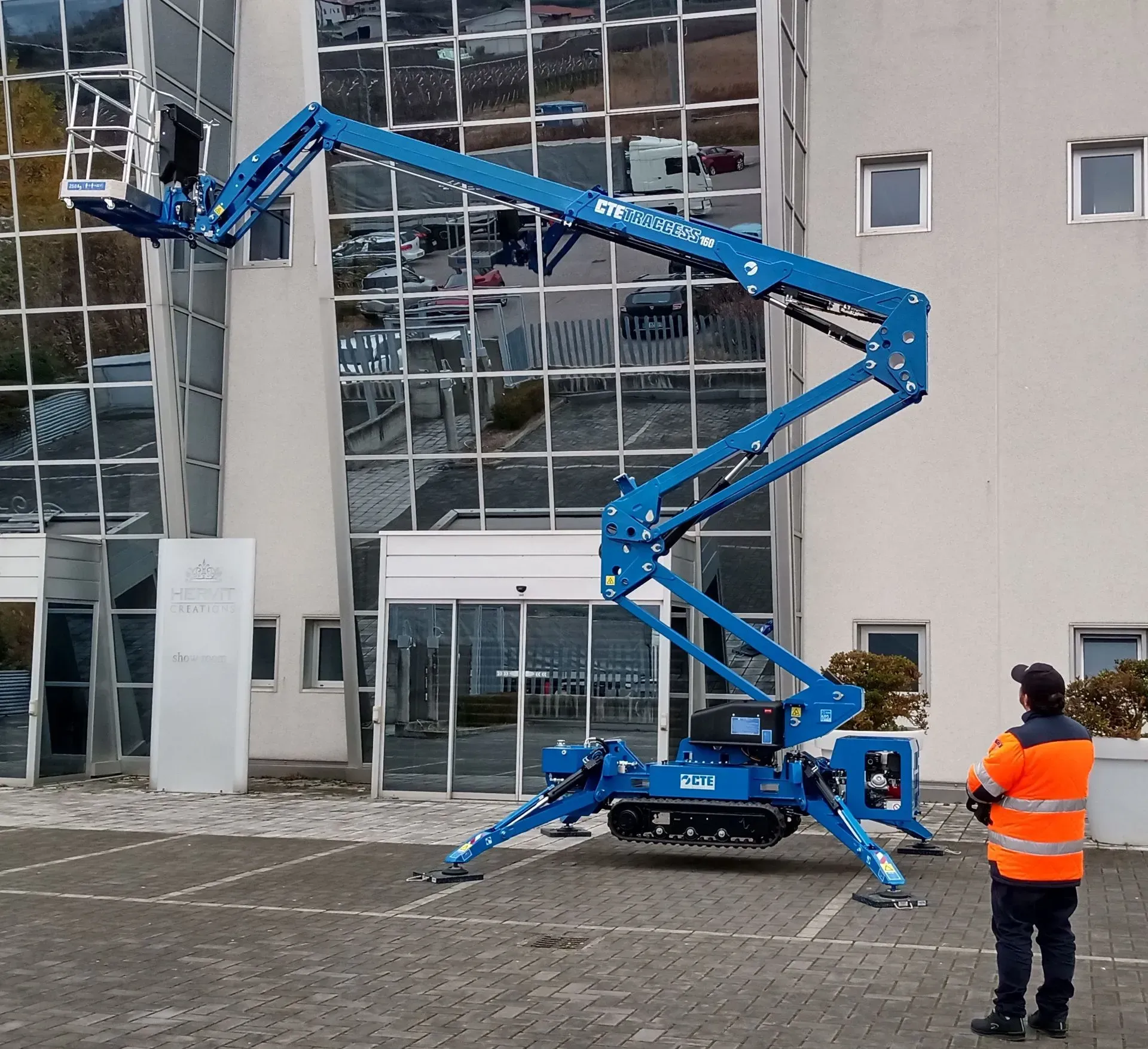
A window cleaning lift is a machine that raises a worker in an elevated basket so they can reach glass above ground level. One type commonly used for this work is a tracked aerial lift, sometimes called a spider lift. Instead of traveling on regular tires, these machines move on tracks that help them travel through different work areas. Once positioned, they use four supporting legs called outriggers to stabilize the equipment during operation.
The basket is attached to a boom that can extend and move into different positions. This allows the operator to work near windows that may be difficult to reach from directly below. The exact movement depends on the machine's design and the available space around the building. CTE's TRACCESS models combine a compact tracked base with a movable boom and basket, making them an option for both exterior window cleaning and certain indoor projects.
Other methods of reaching elevated windows exist, but the right equipment depends on the building and the work being performed. For companies considering tracked equipment, our window cleaning lifts page provides a closer look at the TRACCESS line and its applications.
Start With the Building's Height and Available Access
Before comparing lift models, look at the building and identify where the windows are located. Two important measurements are working height and outreach. Working height is the manufacturer's published height rating for the equipment. Outreach describes how far the basket can extend outward from the machine. Both matter because a lift might have enough height to reach a window but not enough horizontal reach to access it from the available setup location.
For example, landscaping, walkways, entrance canopies, and lower sections of a building can prevent the lift from being positioned directly against the wall. In these situations, outreach becomes especially important. The machine may need to reach over an obstruction while keeping the basket near the glass. A model with more horizontal reach could provide additional positioning options, although the actual working area depends on the equipment's operating limits.
It's also worth considering how the lift will get to its working position. A commercial property might have narrow gates, limited access between buildings, or areas with uneven ground. Before choosing a compact tracked lift, crews should review the travel route and available setup space. CTE's safety guidance also recommends checking for slopes, soft ground, overhead power lines, and other nearby hazards. The machine needs suitable access and a proper setup location, not just enough height to reach the windows.

How Boom Design Helps With Commercial Window Cleaning
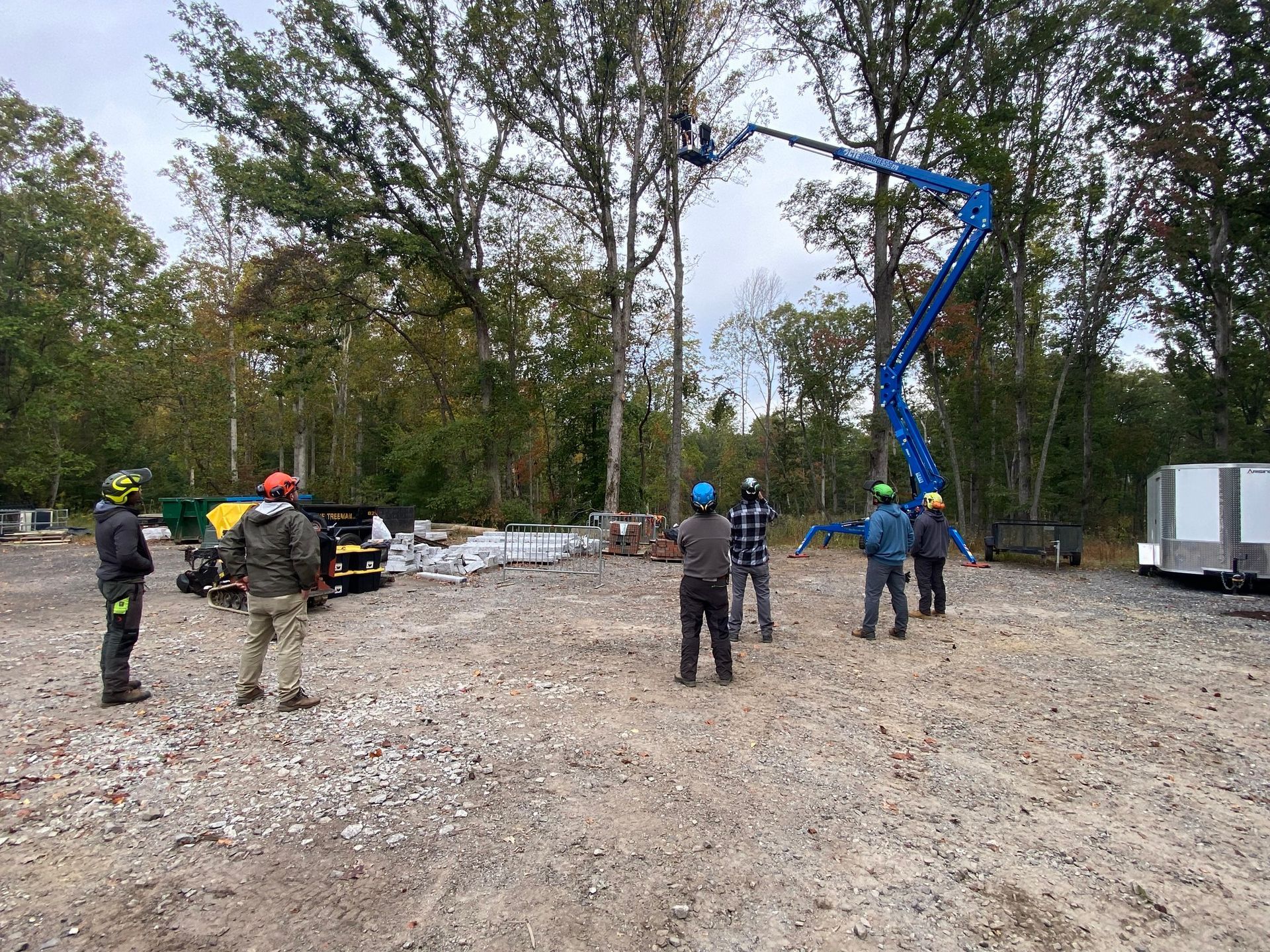
Once you've considered the building's height and access, the next step is understanding how the lift can position the worker. CTE's TRACCESS models use a telescoping upper boom, an articulating jib, and a rotating basket. The telescoping section extends the boom outward, while the jib is a shorter arm near the end that provides additional movement. The basket can also rotate up to 90 degrees in either direction, helping the operator face the area being cleaned.
CTE also uses a sigma boom design, which allows the operator to raise or lower the basket while staying at a similar distance from the building. This can be useful when cleaning several windows along the same wall. Instead of continually moving toward or away from the glass, the operator has another way to adjust their working position while moving between different heights.
The amount of outreach available can also affect how frequently the machine needs to be repositioned. Depending on the building layout, a crew may be able to reach multiple windows from one suitable setup area. However, this depends on the selected model and its working limits. The important thing is to compare the boom's available movement with the actual building rather than choosing equipment based only on its maximum height. You can review the different configurations on our TRACCESS tracked aerial lifts page.
Comparing TRACCESS Lift Models for Commercial Window Cleaning
CTE North America offers four TRACCESS models with different working heights, outreach, and basket capacities. The TRACCESS 160-51 has a maximum working height of 51 feet and an outreach of 24 feet, making it an option to consider for jobs that don't require the reach of a larger machine. The TRACCESS 170-56 provides a slightly higher working height of 56 feet. Both models have adjustable tracks for traveling through narrower access areas, although their basket capacities and other specifications differ.
For taller buildings or locations that require more horizontal reach, CTE offers the TRACCESS 230-75 and TRACCESS 270-88. The 230-75 has a maximum working height of 75 feet and an outreach of approximately 39 feet. The 270-88 extends that range further, with a maximum working height of 88 feet and an outreach of 46 feet. These larger models provide additional reach for projects where the machine needs to be positioned farther from the windows. However, the available working positions still depend on the equipment's operating limits and the conditions at the site.
Basket capacity is another detail worth comparing. Depending on the model, TRACCESS lifts have published maximum basket capacities of 440 or 550 pounds. This includes the worker, cleaning tools, water, and anything else carried in the basket. A larger machine doesn't automatically have a higher basket capacity, so it's worth reviewing the individual specifications rather than choosing based on height alone. The right model depends on the building, available access, and the work your crew needs to complete.
Choosing a Lift for Indoor Glass, Atriums, and Tight Spaces
Commercial window cleaning isn't limited to the outside of buildings. Large lobbies, atriums, and indoor pool areas can also have glass located well above floor level. These spaces may require equipment that can pass through entrances and move around the building before reaching the work area. A compact tracked lift, sometimes described as an atrium lift, can be an option for interior glass cleaning when the access route and operating conditions allow it.
One feature worth considering is adjustable track width. The TRACCESS models have tracks that can narrow to approximately 2 feet 6 inches or 2 feet 7 inches, depending on the machine. This can help with travel through restricted areas, although the full equipment dimensions still need to be checked. Once the lift reaches its work location, the tracks and outriggers must be positioned according to the manufacturer's instructions. A narrow travel configuration doesn't mean the machine can operate in every small space.
Indoor power is another consideration. CTE offers electric and battery-powered operating options across its TRACCESS equipment, depending on the model and configuration. These options can allow operation without running a fuel engine indoors. For facility managers planning work in occupied buildings, it's worth confirming the available power setup before selecting a machine. Our aerial lifts for facilities maintenance page and article about modern lift technology in facilities maintenance explain how tracked equipment can also support lighting, cleaning, and other elevated maintenance tasks.
Safety and Setup Considerations Before Choosing a Lift
Choosing a suitable lift also means understanding how it needs to be operated. CTE's model pages describe built-in features such as basket load monitoring and hydraulic outriggers with ground pressure sensors. A load cell measures the weight carried in the basket, while the outriggers help stabilize the machine at the working location. These features support the equipment's operation, but they don't replace proper setup, training, or attention to the surrounding work area.
Before each use, operators should inspect the machine and review the work location. CTE provides a QR code on its lifts that connects to the pre-start checklist in the owner's manual. Its published safety guidance also calls for appropriate fall protection, including a fall-arrest harness and lanyard when operating at heights above 6 feet. Weather conditions matter as well. CTE prohibits operating its aerial lifts in winds above 28 mph, and lower wind conditions can still require caution depending on the situation.
A rescue plan should also be in place before work begins. CTE recommends having a trained operator and at least one person on the ground who understands the equipment and its emergency controls. Operators should follow the owner's manual, receive appropriate training, and understand the limits of the specific model they're using. Our article on safety tips for tracked aerial lift operators covers these recommendations in more detail. A lift's specifications help determine if it fits the job, but proper operation remains an important part of every window cleaning project.
Talk With CTE About Your Next Window Cleaning Job
Choosing a lift for commercial window cleaning starts with understanding the building's height, available access, and the work your crew needs to complete. CTE North America can help you compare TRACCESS models and review equipment options based on those requirements. We're based in Willington, Connecticut, with a dealer network serving customers throughout the United States and Canada. Contact us today to request a quote or give us a call at (860) 656-9077 to discuss your equipment needs. You can also find a dealer or explore our financing options for qualifying equipment purchases.
Frequently Asked Questions
What Kind of Lift Is Used for Commercial Window Cleaning?
Tracked aerial lifts, sometimes called spider lifts, are one option for commercial window cleaning. They use a movable boom and elevated basket to position workers near glass above ground level. The appropriate model depends on the building's height, available access, basket load, and working conditions.
How High Can a CTE TRACCESS Lift Reach?
CTE's four TRACCESS models have published maximum working heights ranging from 51 feet on the TRACCESS 160-51 to 88 feet on the TRACCESS 270-88. The height needed for a job should be compared with the machine's working envelope and the available setup location.
Can a Spider Lift Be Used for Window Cleaning Indoors?
Yes, certain tracked aerial lift configurations can be used for indoor work. CTE offers compact tracks and electric operating options that can be useful in lobbies, atriums, and similar spaces. The building's access dimensions, setup area, ventilation requirements, and equipment configuration should be reviewed before choosing a model.
How Many People Can Work From a TRACCESS Basket?
CTE offers single and double basket configurations. The equipment's maximum basket capacity is either 440 or 550 pounds, depending on the model. This capacity includes workers, tools, water, and other supplies. The allowable number of occupants depends on the selected basket, equipment specifications, and operating requirements.
Search Our Products
Contact CTE North America
Questions? Get in touch with our main office by contact us online >
- or -
Call (860) 656-9077
Share